

Defying Genre: HCL Explores the World of Experimental Art
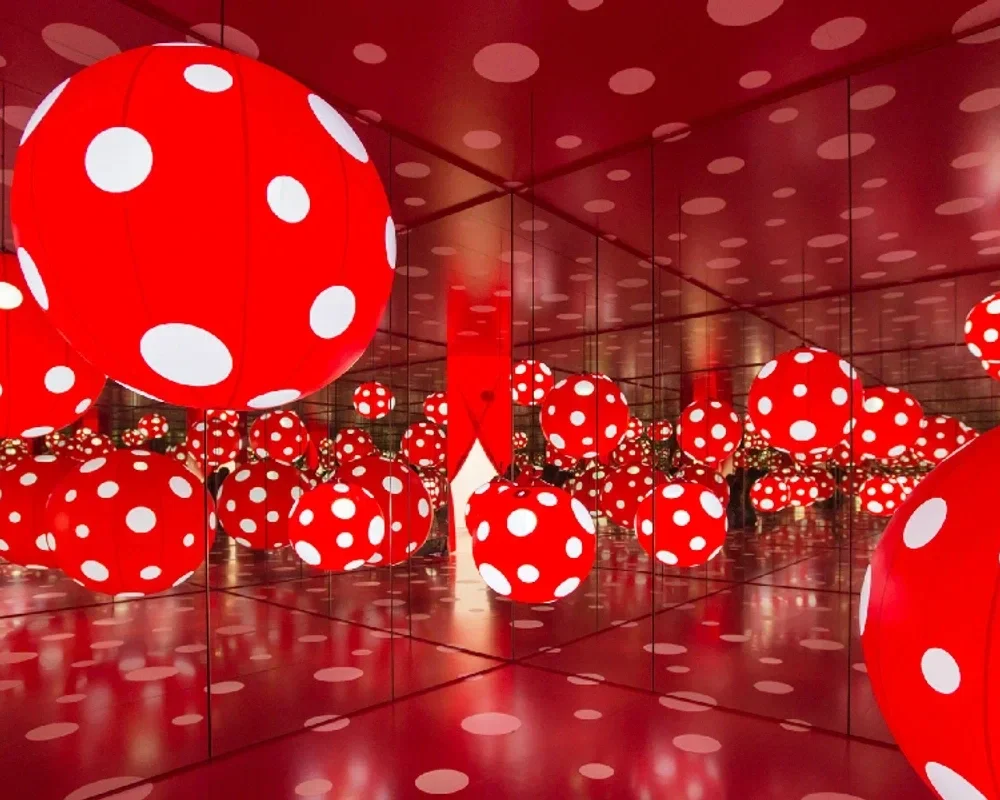
An “Infinity Mirror Room“ by Yayoi Kusama
What do the words “experimental” and “conceptual art” bring to mind? Perhaps you are thinking of a banana duct-taped to a wall, or Duchamp’s iconic urinal. For many, this sort of work feels defiant, overly intellectual, or elicits no response at all. However, the foundational tenets of exploration, pushing boundaries and taking risks are at the heart of not just art-making, but human development—and have been for thousands of years. Artists engaged in these phenomena have something to say, some perspective that needs unpacked, that must be expressed outside the limits of a conventional genre. It becomes necessary to subvert the norm in order to communicate their message or ideas. Through this process of reimagining, new styles and methods come about, often ushering in entirely new eras. Since much of the work has never been done before, it can tend to receive criticism for its strangeness or seeming absurdity. That doesn’t mean this type of work doesn’t find its way into the mainstream, though.
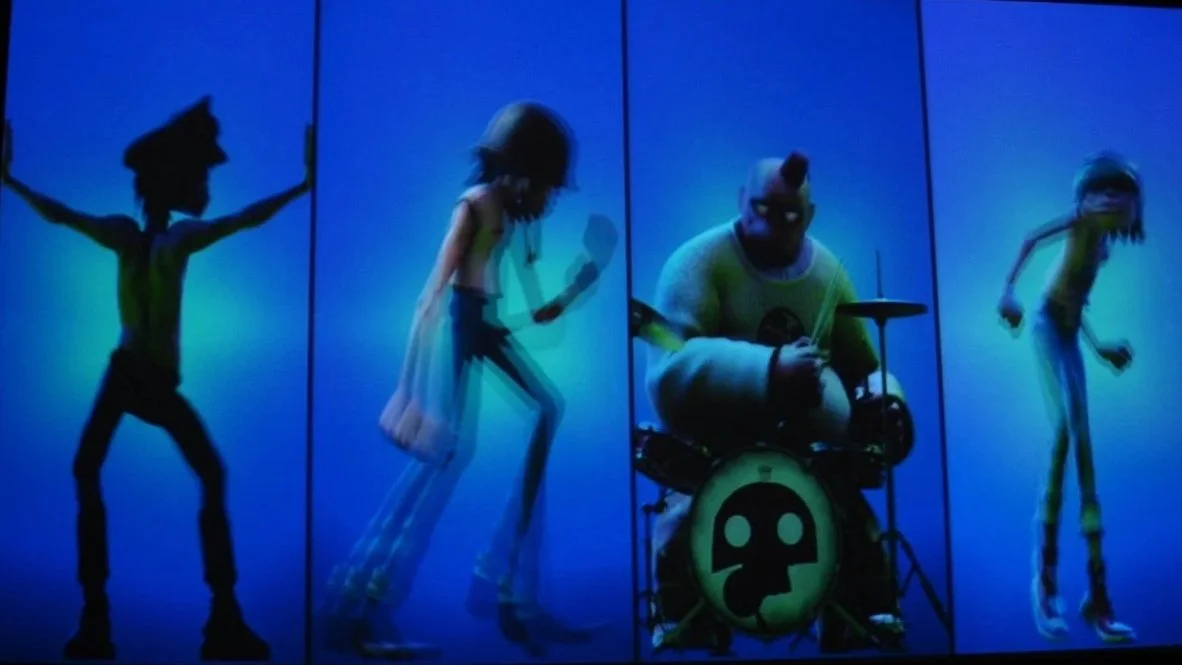
Gorillaz animation by Jamie Hewlett
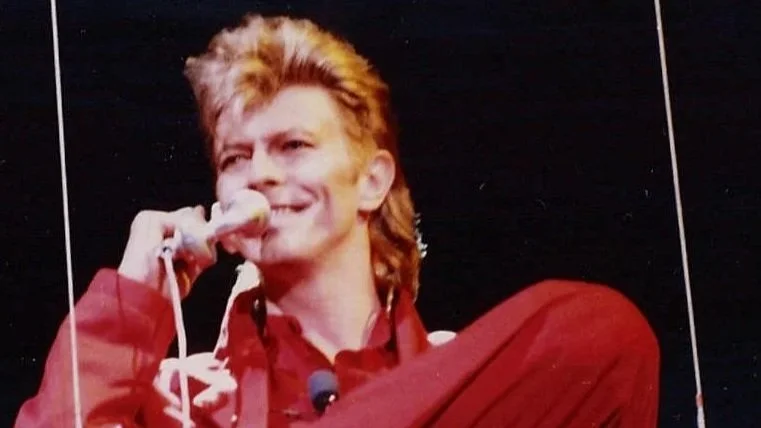
Photo of David Bowie
Consider for instance David Bowie, Tierra Whack, Andre 3000, Bo Burnham and Gorillaz. Broadly categorized as music artists, each of these artists work or worked in unconventional and expansive methods. Jamie Hewlett and Damon Albarn created Gorillaz, a virtual band made up of animated cartoon characters. These characters take shape in music, video games, books, animation and live performance. The result is a multidimensional universe developed across multiple media platforms that engages audiences in an entirely new way. If experimentalism breaks down preconceived notions of genre, Gorillaz has got to be chart-topping. More examples of experimental artists who first defied, and then expanded, the expectations of their art form include comedian Paul Reubens (Pee-wee Herman), filmmaker Miranda July, and interdisciplinary artist Nick Cave.
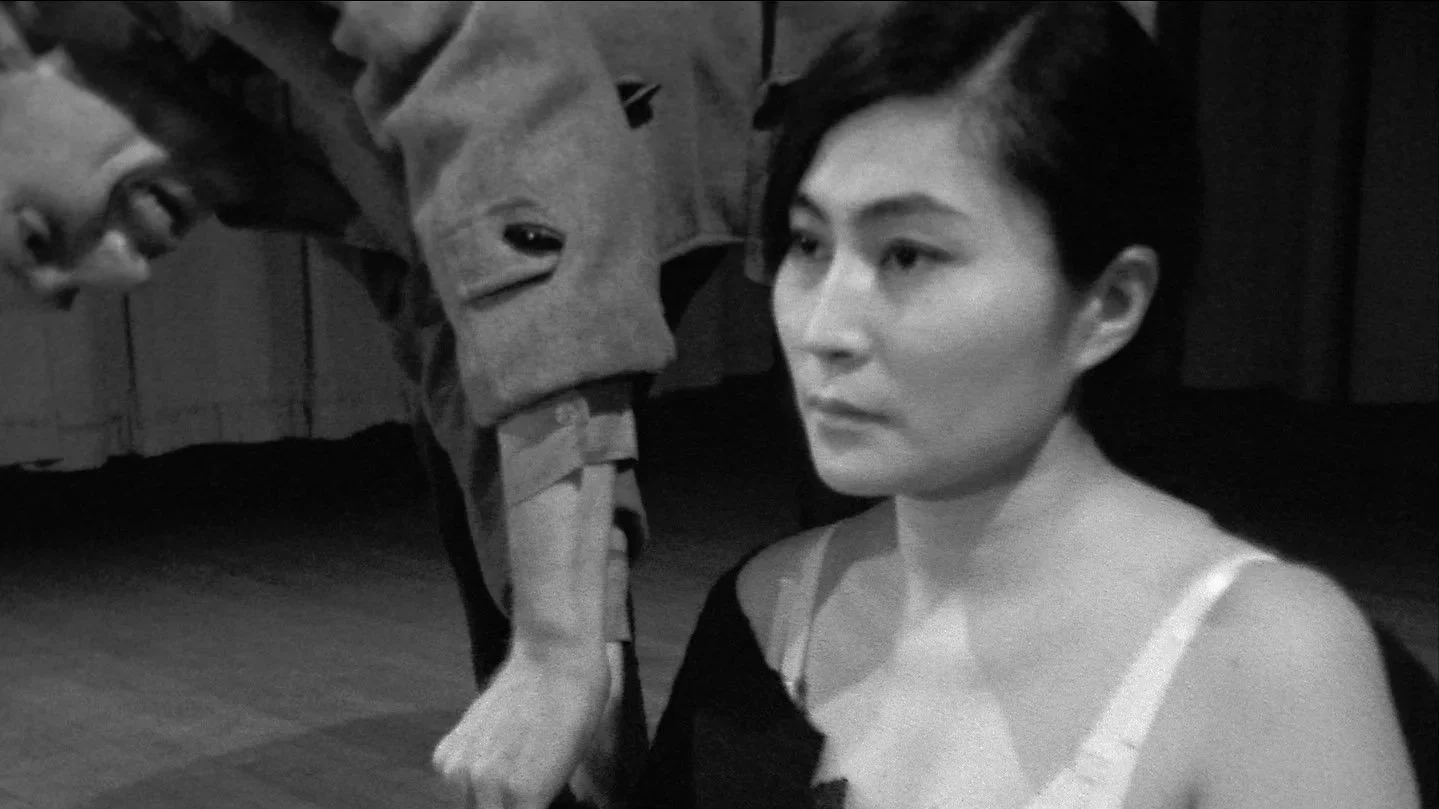
“Cut Piece” by Yoko Ono
Working experimentally often goes hand in hand with conceptual concerns. This means “the idea functions as the artwork itself, shifting the value and quality of the artwork from the physical object to the immaterial concept.” You may recognize the names or images produced by major conceptual artists Yayoi Kusama, Yoko Ono, or Duchamp. More recently, Maurizio Cattelan infamously taped a banana to a wall titling this work “Comedian.” Like many concept-driven pieces, there is no real value in the banana itself—what matters are the ideas and questions it raises. This seemingly stupid gesture has in fact served as a major catalyst for conversation around how we define and value art in today’s world.
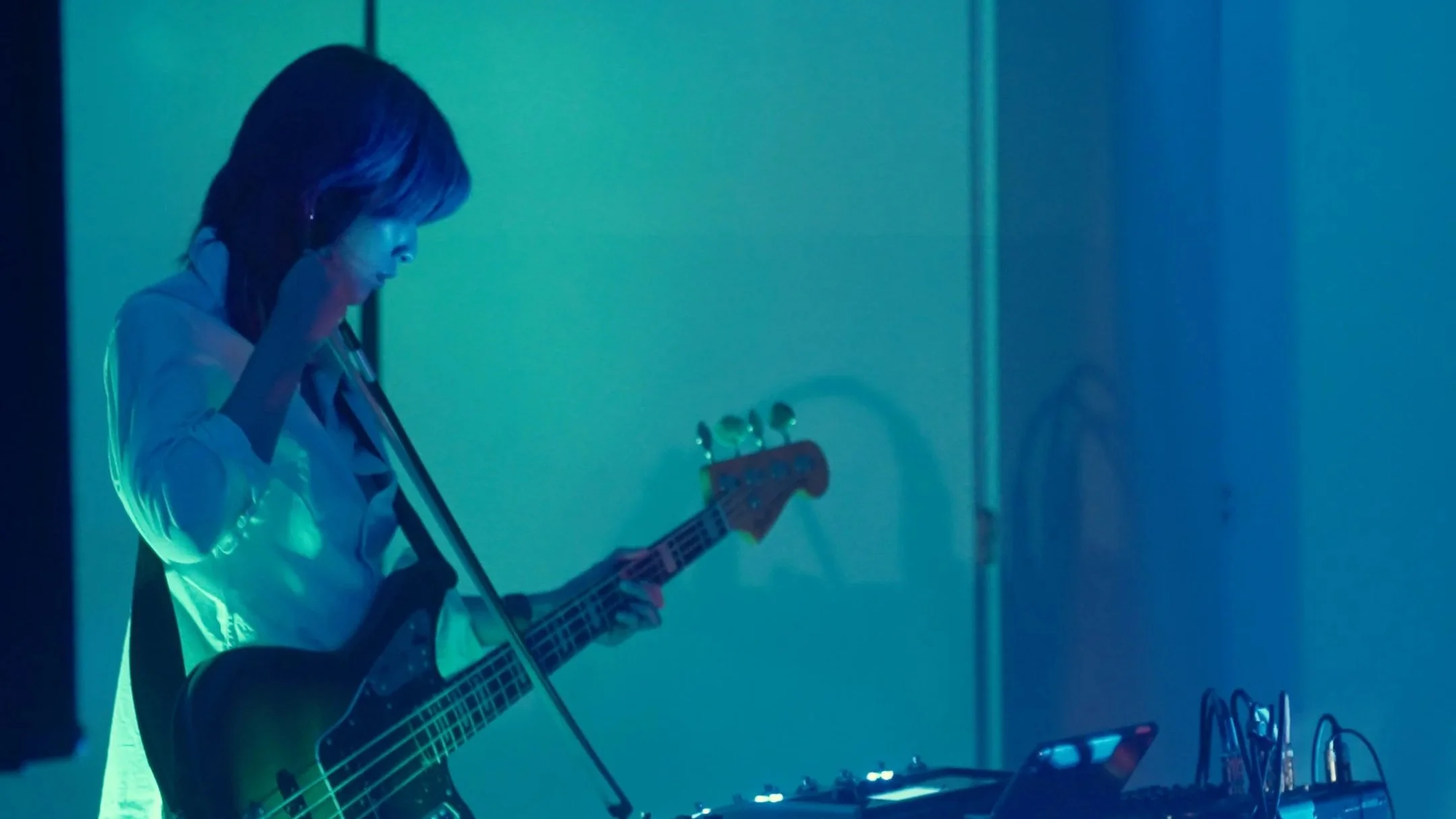
HCL Artist in Residence, Haruhi Kobayashi | Photo by Ry Thiel
Experimental artists continue to change the landscape of the art world, pushing boundaries and challenging expectations. At High Concept Labs, our mission is to invigorate the already thriving art scene here in Chicago by trusting in artists and advocating for experimentation. Countless visionary artists live and work in this city, crafting their own bold legacy. These artists are the David Bowies and Yoko Onos of tomorrow. As a laboratory for experimental, conceptual, and genre-defying artistic projects, HCL advocates the importance of artists and art communities forging their own path.
